A Stroll Along the Bamboo Path
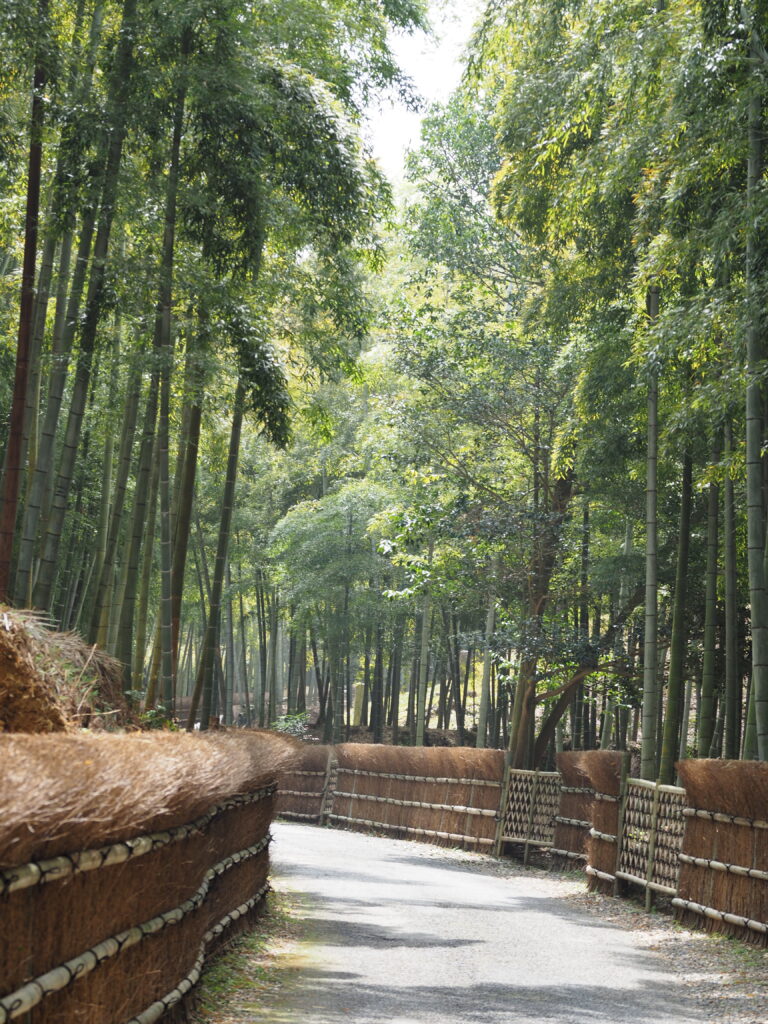
This bamboo grove features a total of eight types of bamboo fences, including the “Takeho-gaki” (bamboo-shoot fence), made by bundling bamboo branches; the “Kofun-gaki” (tumulus fence), which evokes the rounded shape of ancient burial mounds; and the “Kaguya Fence,” inspired by the collar of Princess Kaguya’s twelve-layered kimono—along with other original designs—this bamboo forest trail stretches approximately 1.8 km and features eight types of bamboo fences arranged in an orderly row.
Recognized as one of the “Top 100 Walking Trails in Japan” and one of the “500 Trails You’ll Want to Walk,” and designated as a “Kyoto Prefecture Landscape Asset” and a “Kyoto Prefecture Cultural Landscape,” it is beloved as a destination for enjoying the bamboo grove atmosphere by visitors from both within and outside the city.
Located in the northwestern part of our city, in the Muko Hills—an area known nationwide as a source of high-quality bamboo shoots—lies a bamboo grove. To preserve the landscape of this grove, environmental improvement efforts (including measures to address neglected bamboo groves and prevent illegal dumping) have been underway since Heisei 12, using Moso bamboo, a specialty of Muko City, to create the “Bamboo Path.” The “Bamboo Path” is a 1.8-kilometer-long bamboo grove path featuring eight types of bamboo fences arranged in an orderly fashion, including the “Takeho-gaki” (bamboo-spike fence) made from bundled bamboo branches, the “Kofun-gaki” (tumulus-shaped fence) modeled after the rounded form of ancient burial mounds, and the “Kaguya Fence,” inspired by the collar of Princess Kaguya’s twelve-layered kimono. It is a bamboo-lined path stretching approximately 1.8 km in total length, where these eight types of bamboo fences—including these original designs—are arranged in an orderly fashion.
Additionally, every October, the “Bamboo Path: Kaguya’s Evening” lighting event is held, where bamboo lanterns illuminated by the warm glow of water candles light up the bamboo grove on an autumn night, inviting visitors into a fantastical world. Recognized as one of the “100 Best Walking Trails in Japan” and the “500 Most Inviting Walking Paths,” and designated as a “Kyoto Prefecture Landscape Asset” and a “Kyoto Prefecture Cultural Landscape,” this area is beloved by visitors from both within and outside the city as a place to enjoy the tranquility of the bamboo grove.
Basic Information
- Season
- Year-round
- Closed Days & Excluded Dates
- None (Open year-round)
- Meeting Time & Hours of Operation
- Open Every Day of the Year
- Schedule
- Freedom
- Duration
- 1 to 2 hours
- Accessibility
- Wheelchair accessible
Access & Meeting Place
- Parking Information
- You can use the coin-operated parking lot at the nearby Rakusai Bamboo Grove Park (Nishikyo Ward, Kyoto City).
Operator Information
- Address
- Shibayama, Terado-cho, Muko City; Nagano, Monoshime-cho, Muko City; and other locations
- Official Website
- https://www.muko-kankou.jp/
Area & City/Town Introduction (Muko City)
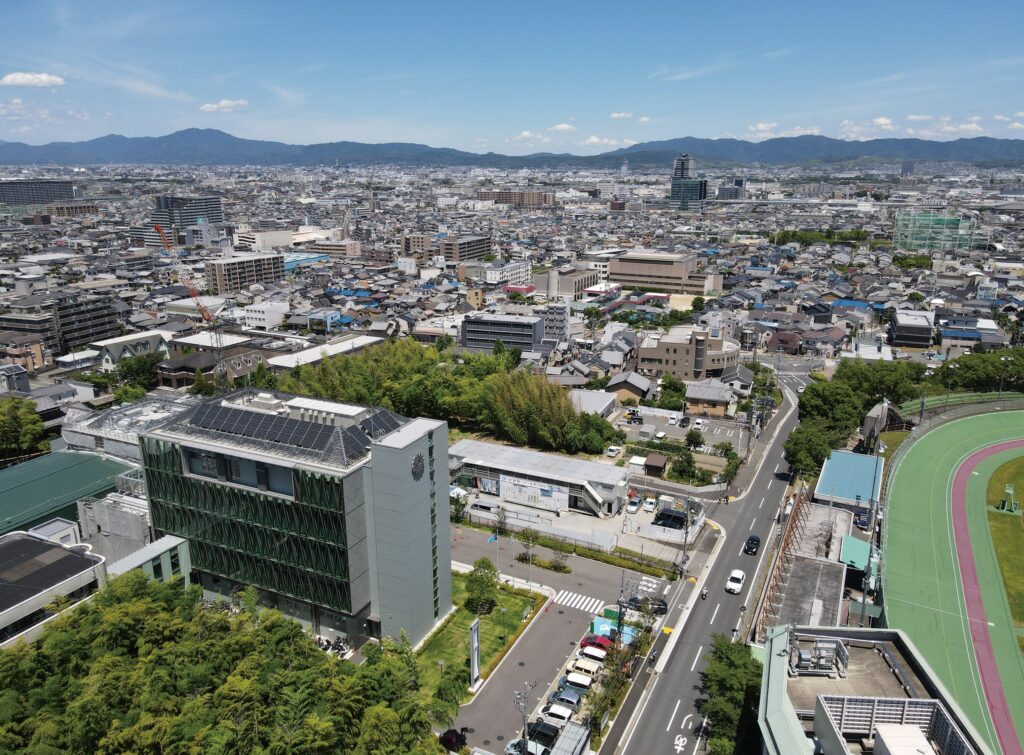
Adjacent to Kyoto City, the small city of Muko—covering an area of 7.72 square kilometers—possesses a unique sense of tranquility characteristic of a land where people have come and gone since ancient times and where culture has flourished; history quietly coexists with the cityscape and nature. At the same time, as a suburb, it offers the convenience of urban life and a comfortable environment that supports daily living. Mukō, where tradition and modernity harmonize naturally, is a city that offers a sense of security and warmth to both visitors and residents alike.