Funaya house tour (Kouyomaru)
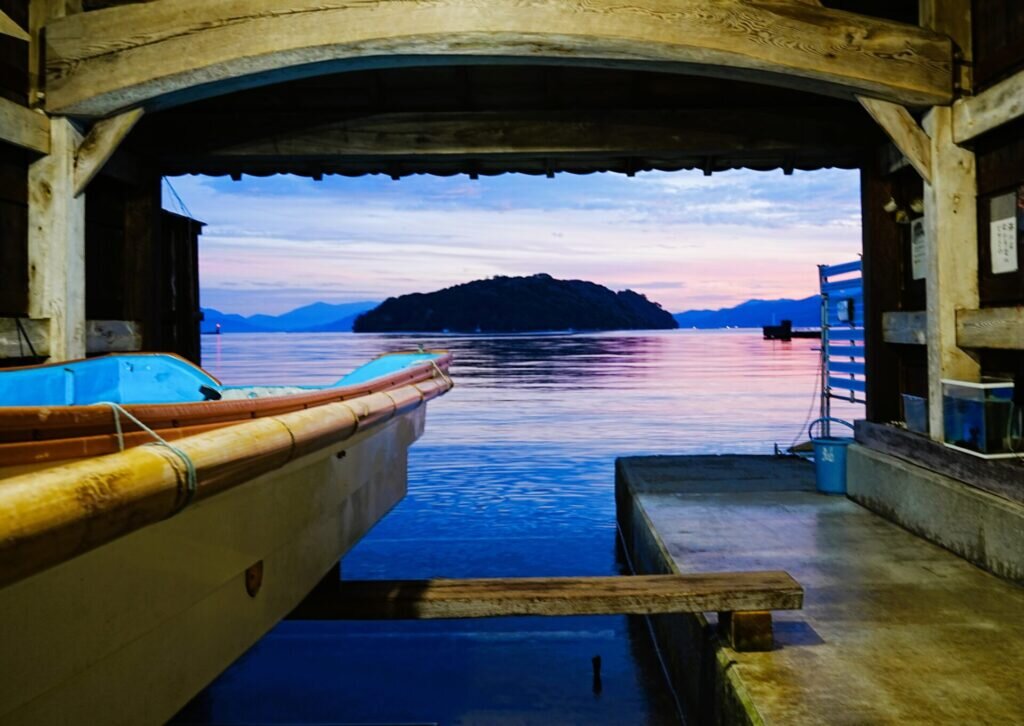
*This experience is not sponsored by the Ine Town Tourism Association. We are not responsible for any troubles that occur during the experience. For inquiries and reservations, please contact the business operator directly. You can tour the inside of the funaya house. The fishing gear and photos that were used in the past are also on display.
*This experience is not sponsored by the Ine Town Tourism Association. We are not responsible for any troubles that occur during the experience. For inquiries and reservations, please contact the business operator directly.
You can tour the inside of the funaya house. The fishing gear and photos that were used in the past are also on display.
Reservations & Registration
- How to Register
Apply via the “What’s Up” section on the following page of the official website.
- Registration Period & Deadline
- No reservation required
Basic Information
- Season
- Year-round
- Closed Days & Excluded Dates
- Wednesdays, and other days as determined
- Duration
- 10 minutes
- Group Size
- Minimum 1 people
- Language Support
- Staff: Japanese
- Notes
- Closed on Wednesdays. Other irregular closures may occur from time to time.
Pricing
- List Price
- Adults: 200 yen; Children: 100 yen
- Included in Price
- Admission Fee
Access & Meeting Place
- Meeting Place & Ticket Pickup Location
- 555 Hirata, Ine-cho, Yosa-gun, Kyoto Prefecture
- Parking Information
- A 3-minute walk from the Shichimen-yama parking lot.
Operator Information
- Operator Name
- Kouyomaru
- Address
- 555 Hirata, Ine-cho, Yosa District, Kyoto Prefecture 626-0423
- Phone Number
- 0772-32-0620
- Official Website
- https://www.ine-kankou.jp/e_active/funaya-house-tour-kouyomaru
Area & City/Town Introduction (Ine Town)
Life Closest to the Sea in Japan
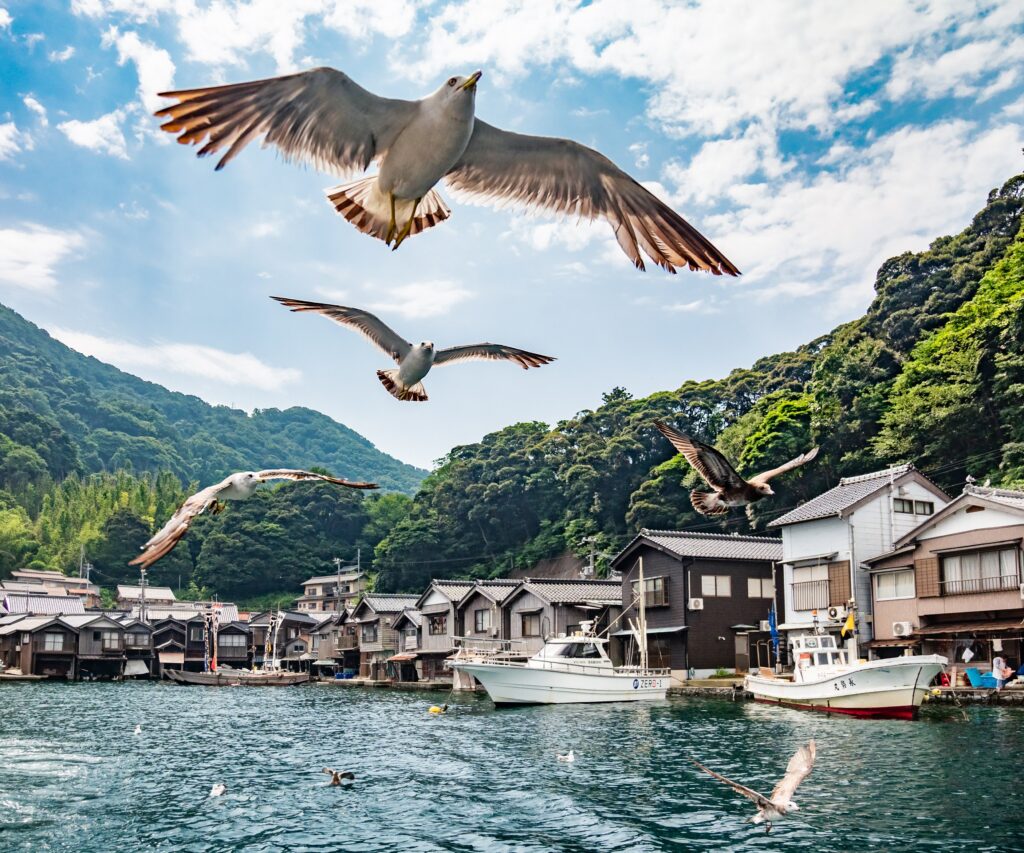
In Ine Town, approximately 230 “funaya” (boat houses) line the Ineura district.
Due to its unique landscape and the way of life of the people who live there, the town has been designated a “Preservation District for Important Groups of Traditional Buildings” by the national government and is a member of the “Most Beautiful Villages in Japan” association.
The primary industry is agriculture and fisheries; in particular, the fishing industry encompasses not only capture fisheries—ranging from large-scale fixed-net fishing by seafood companies to individual fishermen using longlines and pole-and-line methods—but also aquaculture of fish such as “buri” (yellowtail) and “tai” (sea bream), and other aquaculture practices. Since ancient times, the yellowtail caught in the town’s fixed nets has been known as “Ine Buri” and is counted among Japan’s three greatest varieties of yellowtail.
Related Sightseeing & Activities
-
 e-BIKE Cycling Guided Tour [Ine Town]
 -
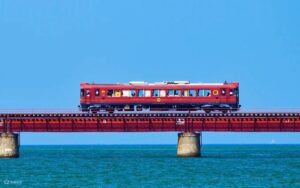 Kyoto Coastal Railway Wonderland Day Trip丨Tango Sea Train, Amanohashidate, Ine Boathouses [Ine Town・Maizuru City・Miyazu City]
 -
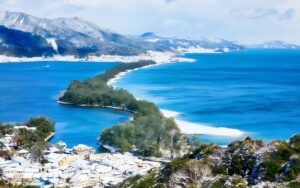 Slow Travel in Kyoto by the Sea: Amanohashidate and Ine no Funaya [Ine Town・Miyazu City]
 -
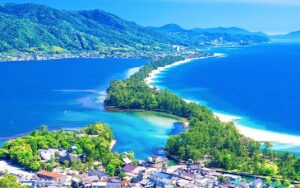 [Recommended for Families, Free Seagull Snacks] Ine Bay Amanohashidate Day Trip: Ine Bay Cruise + Amanohashidate Cable Car + Chionji Temple + Revolving Bridge (Departure from Osaka/Kyoto) [Ine Town・Miyazu City]