Mikurisu Shrine
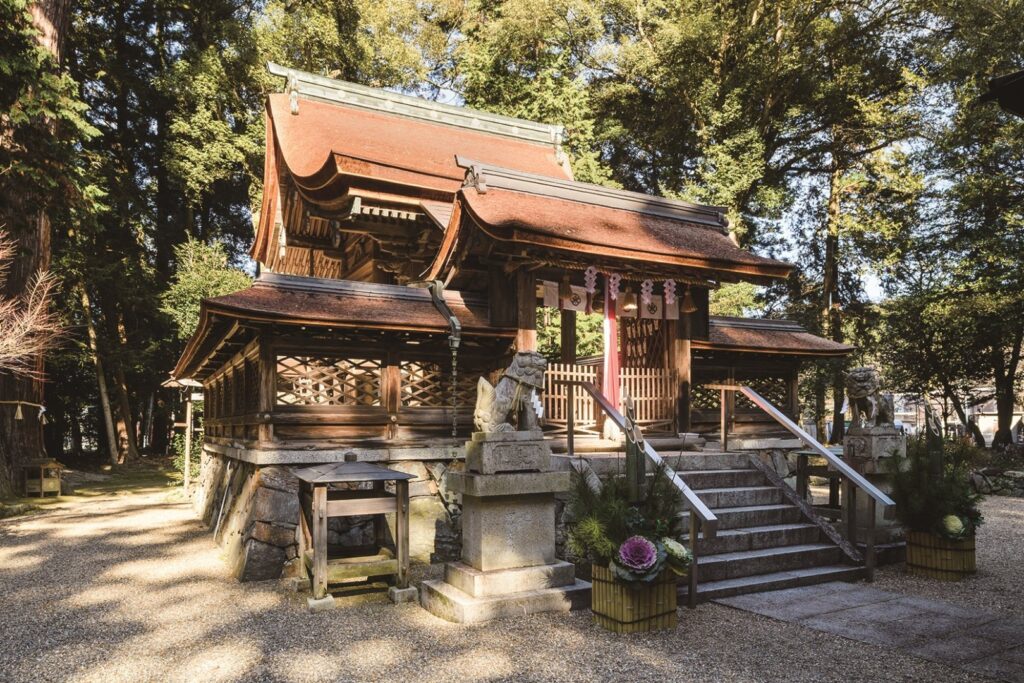
Located in the Minami district of Ujitawara Town, this former village shrine enshrines the deity Ame-no-Hikone-no-Mikoto. Today, it serves as the “Ichinomiya” (primary shrine) for the Minami district and is one of the three shrines that together form the “Tawara Festival” (Sansa Festival). The chestnuts produced in the surrounding chestnut groves have been renowned since ancient times for their lustrous appearance and excellent flavor; it is said that this tradition stems from the legend of Emperor Tenmu’s boiled and roasted chestnuts, which appears in the *Uji Shūi Monogatari*. It was customary to present these chestnuts to the Imperial Palace every year on November 15, a tradition that continued until Meiji 20. It is said that the shrine’s name, “Okurisu,” may have taken root as these chestnut groves, originally designated for imperial offerings, gradually became objects of popular worship; however, these groves have now been replaced by tea fields, and no trace of their former appearance remains. The main hall is built in the “ichiken-sha nagare-zukuri” style, and there are three subsidiary shrines dedicated to Amaterasu Ōmikami, Tenmangu, and Kōmori-sha.
This former village shrine is located in the Minami district of Ujitawara Town. Its enshrined deity is Amatsuhikone-no-Mikoto, and it currently serves as the “Ichinomiya”—the guardian deity of the Minami district—and is one of the three shrines that together form the “Tawara Festival (Sansa Festival).” According to the shrine’s tradition, it originated in June of the 6th year of the Kōan era (1283) as a branch shrine of Ōmiya Shrine in Araki; however, there are records of a powerful local clan donating land to the site even earlier than that, so the exact date of its founding remains uncertain. The chestnuts harvested from the surrounding chestnut groves have been renowned since ancient times for their luster and excellent flavor, and are said to be associated with the legend of Emperor Tenmu’s boiled and roasted chestnuts, which appears in the *Uji Shūi Monogatari*. It was customary to present these chestnuts to the Imperial Palace every year on November 15, a practice that continued until Meiji 20. It is said that the shrine’s name, Okurisu, may have taken root as these chestnut groves, from which chestnuts were offered to the imperial court, gradually became a focus of popular devotion; however, these groves have now been replaced by tea fields, and no trace of their former appearance remains. The main shrine building is constructed in the *ikkensha nagare-zukuri* style, and there are three subsidiary shrines dedicated to Amaterasu Omikami, Tenmangu, and Kōmori-sha.
Reservations & Registration
- How to Register
No registration required
Basic Information
- Season
- Year-round
- Closed Days & Excluded Dates
- None (Open year-round)
- Duration
- About 1 hour
- Group Size
- Minimum 1 people
- Language Support
- Staff: Japanese
- Accessibility
- Not allowed
Pricing
- List Price
- Free
Access & Meeting Place
- Parking Information
- Yes
Operator Information
- Address
- 76 Minami-Miyanoue-Nishi, Ujitawara-cho, Kyoto Prefecture
- Phone Number
- 0774-88-3348
- Official Website
- https://ujitawara-kyoto.com/sightseeing/shrinestemples/御栗栖神社/
Area & City/Town Introduction (Ujitawara Town)
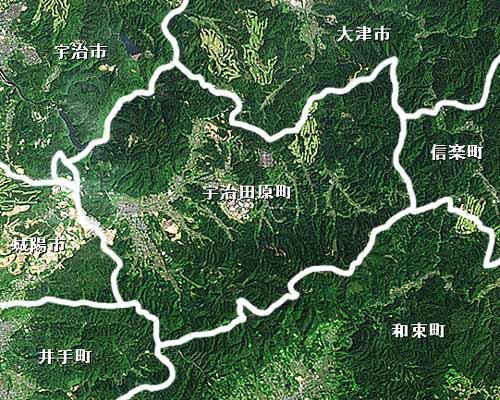
Located in the southeastern part of Kyoto Prefecture, “Ujitawara Town” is a heart-shaped town rich in natural beauty. Known as the birthplace of green tea, it boasts a long history as a producer of high-quality tea. The town is filled with beautiful scenery that changes with the seasons, and its historic temples and shrines, along with its traditional culture, are very much alive. In this town, nurtured by abundant nature, history, and tea culture, you can spend a relaxing and peaceful moment—much like a cup of tea served to welcome a guest.