
Tango Chirimen Factory Tour
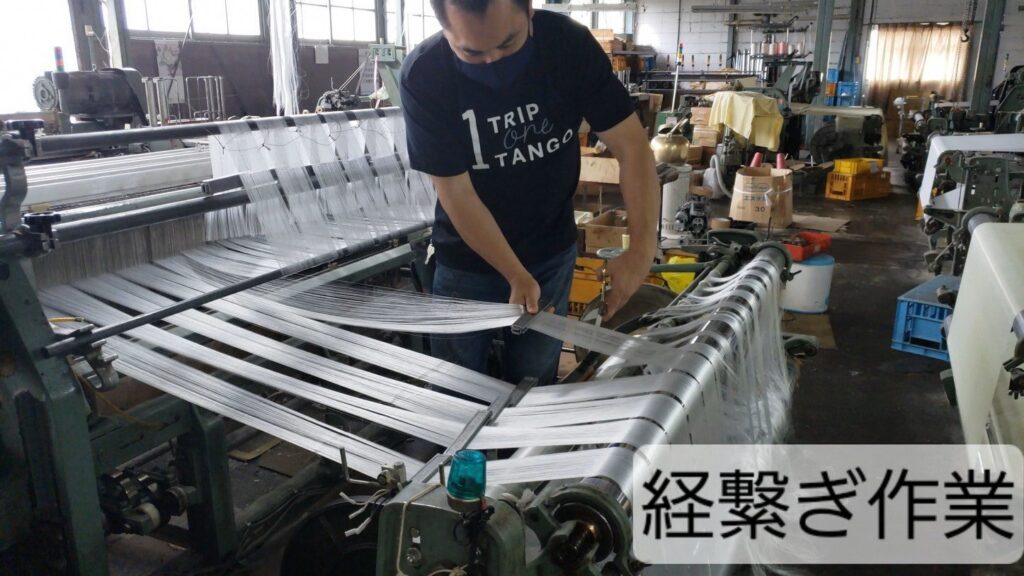
We visited the long-established weaving workshop Tan-Kō to observe the manufacturing process of Tango chirimen. We’ll introduce traditional techniques that are still alive and well in modern life—through kimonos, furoshiki, traditional Japanese accessories, and interior design materials.
We visited the long-established weaving workshop Tan-Kō to observe the manufacturing process of Tango chirimen.
We’ll introduce traditional techniques that are still alive and well in modern life—through kimonos, furoshiki, traditional Japanese accessories, and interior design materials.
Reservations & Registration
- Cancellation Policy
- Cancellations made 0 hours or less before the event start time will incur a 100% cancellation fee.
Cancellations made 1 day or less before the event start time will incur a 50% cancellation fee.
Basic Information
- Participation Restrictions
- Children cannot register on their own. Please register with at least two adults.
- Accessibility
- The factory and workshop are located on the second floor, so you'll need to use the stairs.
Pricing
- List Price
- 3,300 yen
- Included in Price
- Published on bokun
- Not Included in Price
- Published on bokun
Access & Meeting Place
- Parking Information
- Free parking available (5 passenger cars or 1 large bus)
Operator Information
- Operator Name
- Tanbishi
- Address
- 1788 Iwataki, Yosano-cho, Yosa District, Kyoto Prefecture 629-2262
Area & City/Town Introduction (Yosano Town)
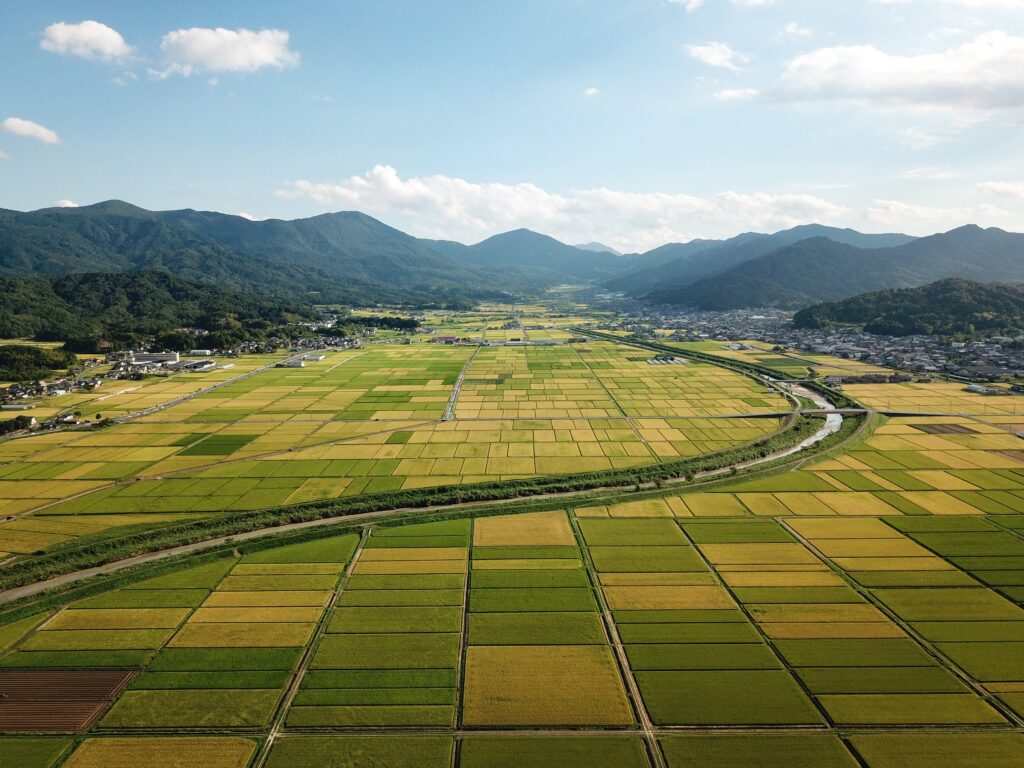
Yosano Town in Kyoto Prefecture is a beautiful town rich in nature and history, located at the base of the Tango Peninsula, which faces the Sea of Japan.
The Noda River, which originates in the Oeyama Mountain Range—known for its legends of demons—nourishes the Kayadani Plain and flows into Lake Aso, the inland sea that forms part of Amanohashidate, one of Japan’s Three Great Scenic Views. The town is home to clusters of massive ancient burial mounds, and the culture of “Tango chirimen”—a high-quality silk fabric with a history dating back to the Edo period—remains vibrant to this day. In recent years, it has also become known for its initiatives in unique natural-cycle agriculture.
Related Sightseeing & Activities
-
 Sake Brewery Tour [Yosano Town]
 -
 Narisou-ji Temple [Miyazu City]
 -
 [Kyoto Amanohashidate & Ine Boathouse] Amanohashidate & Ine Boathouse Secret Spot Discovery – Sea Village Day Trip (From Osaka) [Ine Town・Miyazu City]
 -
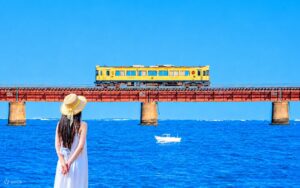 Osaka Amanohashidate & Ine Funaya Seaside Train Day Trip [Ine Town・Maizuru City・Miyazu City]