Shōju-in
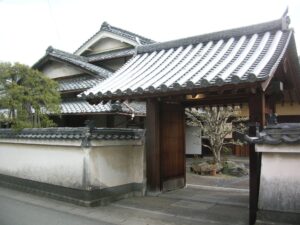
Shōju-in Temple on Jigen-zan, affiliated with the Kōyasan Shingon School, is said to have been established in 717 as a sub-temple of Iōkyō-ji Temple; it is traditionally believed to have been founded approximately 800 years ago. The temple houses a “Seated Statue of Fudō Myōō” created by Kaikei, one of Japan’s most renowned Buddhist sculptors active during the Kamakura period, which has been designated as an Important Cultural Property of Japan.
In the summer, the “Wind Chime Festival” (June 1–September 30) is held, during which over 2,000 wind chimes fill the temple grounds; for this reason, the temple is also known as “Wind Chime Temple.”
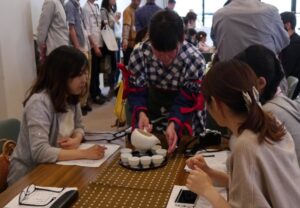
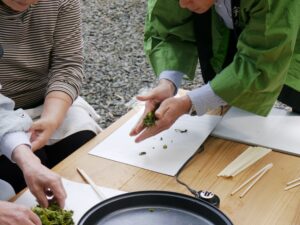
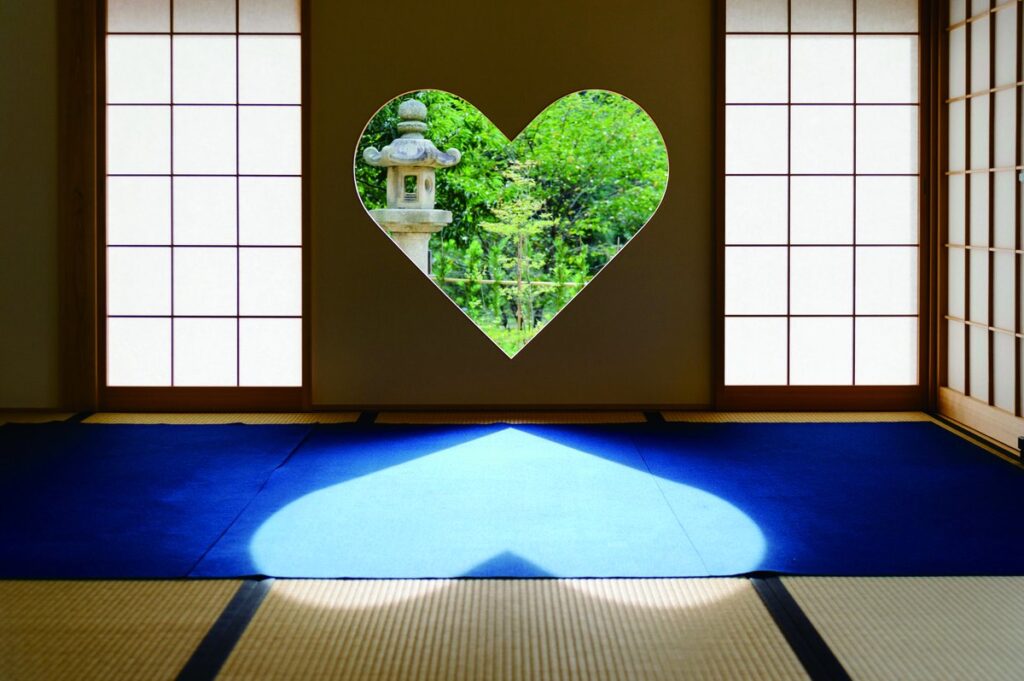
The guest hall features “inome” windows. These heart-shaped windows incorporate the “inome” pattern, a traditional design motif. Through these windows, visitors can experience the changing seasons—cherry blossoms, fresh greenery, autumn foliage, and snow. Within the tranquil temple grounds, visitors can enjoy yoga while gazing at the garden, as well as hands-on experiences such as making their own prayer beads, copying sutras, and copying Buddhist images.
Shōju-in Temple on Jigen-zan Mountain, affiliated with the Kōyasan Shingon School, is said to have been founded in 717 as a sub-temple of Iōkyō-ji Temple; tradition holds that it was established approximately 800 years ago. The temple houses a “Seated Statue of Fudō Myōō” created by Kaikei, one of Japan’s leading Buddhist sculptors active during the Kamakura period, which has been designated as an Important Cultural Property of Japan.
In the summer, the “Wind Chime Festival” (June 1–September 30) is held, during which over 2,000 wind chimes fill the temple grounds; for this reason, the temple is also known as “Wind Chime Temple.”
The “inome” windows in the guest hall feature a heart-shaped design, which is one of the traditional “inome” patterns. Through these windows, visitors can appreciate the changing seasons—from cherry blossoms and fresh greenery to autumn foliage and snow. Within the tranquil temple grounds, visitors can enjoy yoga while gazing at the garden, as well as hands-on experiences such as making original prayer beads, copying sutras, and copying Buddhist images.
Reservations & Registration
- How to Register
No registration required
Basic Information
- Season
- Year-round
- Closed Days & Excluded Dates
- None (Open year-round)
- Meeting Time & Hours of Operation
- 9:00 a.m. – 4:00 p.m.
*During the winter, open until 4:00 p.m. - Duration
- About 1 hour
- Group Size
- Minimum 1 people
- Language Support
- Staff: Japanese
- Accessibility
- Not allowed
Pricing
- List Price
- Admission: 600 yen for adults, 300 yen for children
Access & Meeting Place
- Parking Information
- Yes
Operator Information
- Address
- 149 Okuyamada Kawakami, Ujitawara-cho, Kyoto Prefecture
- Phone Number
- 0774-88-3601
- Official Website
- https://shoujuin.boo.jp
Area & City/Town Introduction (Ujitawara Town)
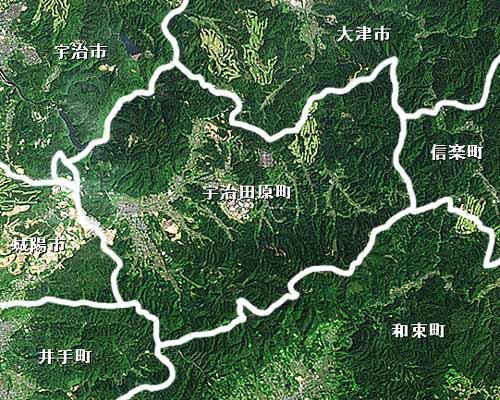
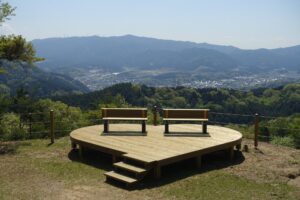
Located in the southeastern part of Kyoto Prefecture, “Ujitawara Town” is a heart-shaped town rich in natural beauty. Known as the birthplace of green tea, it boasts a long history as a producer of high-quality tea. The town is filled with beautiful scenery that changes with the seasons, and its historic temples and shrines, along with its traditional culture, are very much alive. In this town, nurtured by abundant nature, history, and tea culture, you can spend a relaxing and peaceful moment—much like a cup of tea served to welcome a guest.