Manai Shrine
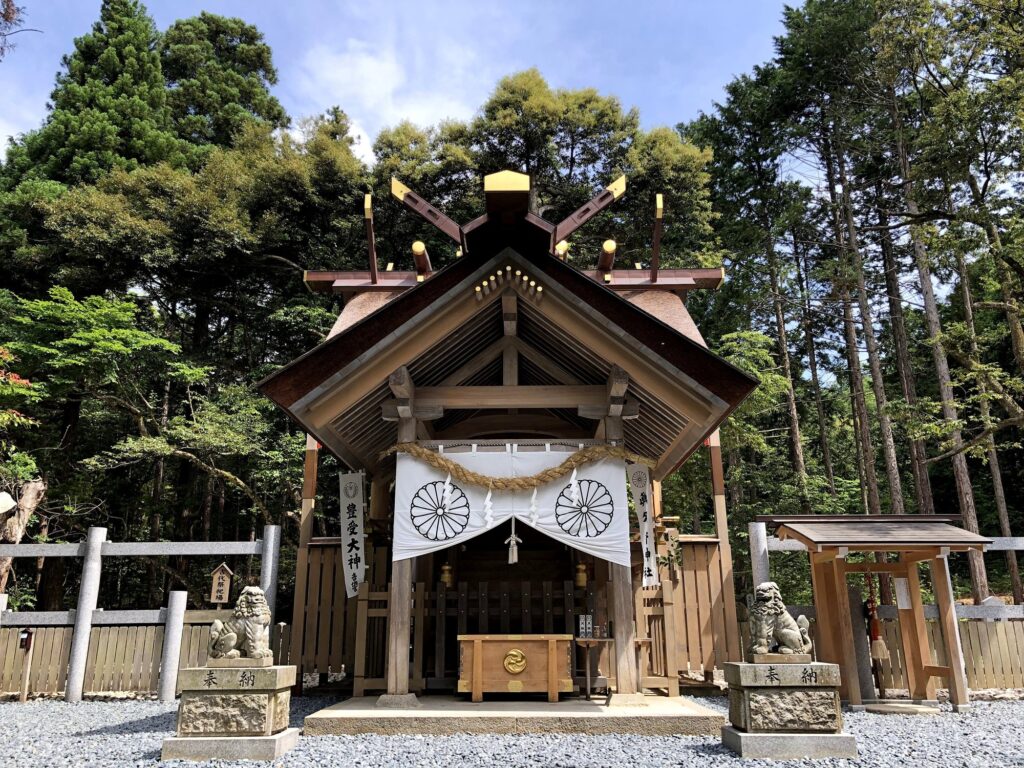
This is the inner shrine of Motoisekago Shrine, also known as Kushihama-no-Miya.
“Kushi” refers to a source of mystical and mysterious power, and today many people visit the site as a spiritual power spot.
Behind the main hall lies “Iwakura,” an ancient ritual site that has been enshrined in its original form for approximately 2,500 years, where deities such as Toyouke-no-Ōkami and Amaterasu-ōmikami are enshrined.
Within the shrine grounds, sacred water known as “Amano-Manai no Mizu” gushes forth abundantly.
Many people come from all over the country to draw this miraculous “Manai no Mizu.”
This is the inner shrine of Motoisekago Shrine, also known as Kushihama-no-Miya.
“Kushi” refers to a source of mystical and mysterious power, and today many people visit it as a power spot.
Behind the main hall lies “Iwakura,” an ancient ritual site that has been preserved in its original form for approximately 2,500 years, where deities such as Toyouke-no-Ōkami and Amaterasu-ōmikami are enshrined.
Within the shrine grounds, sacred water known as “Amano Manai no Mizu” gushes forth abundantly.
Many people visit from all over the country to draw this miraculous “Manai no Mizu.”
Basic Information
- Season
- Year-round
- Closed Days & Excluded Dates
- None (Open year-round)
- Meeting Time & Hours of Operation
- Feel free to take a stroll
- Duration
- About 30 minutes
- Accessibility
- Not allowed
Pricing
- List Price
- Free
Access & Meeting Place
- Parking Information
- 10 standard-sized cars
Operator Information
- Address
- 905 Nakano, Miyazu City, Kyoto Prefecture
- Phone Number
- 0772-27-0006 (Motoisekago Shrine)
- Official Website
- https://www.motoise.jp/about/okunomiya/
Area & City/Town Introduction (Miyazu City)
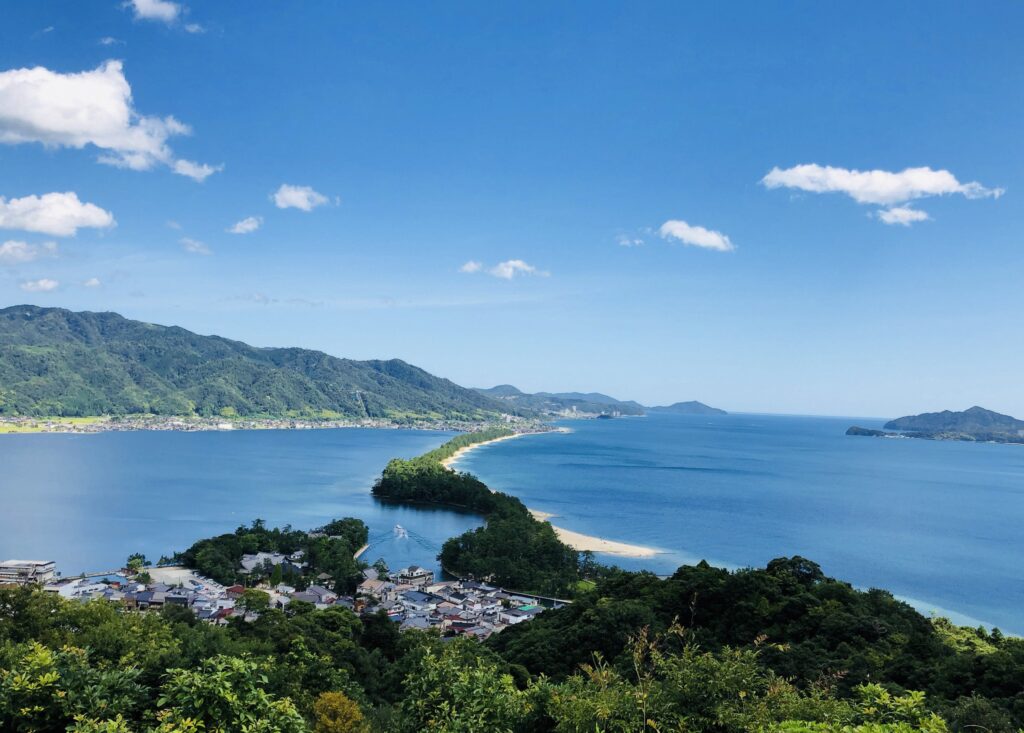
Miyazu City, Kyoto Prefecture, is a town rich in natural beauty located in the northern part of Kyoto Prefecture, facing the Sea of Japan. Home to “Amanohashidate”—one of Japan’s Three Great Views—the area boasts a beautiful coastline and lush, green mountains, offering breathtaking scenery throughout the four seasons. Another major attraction is its rich culinary culture, featuring dishes made with fresh seafood and ingredients from the Tango region. The area also boasts numerous temples, shrines, and historic streetscapes brimming with history and culture, making it an ideal destination for sightseeing and relaxing getaways. As the heart of “Marine Kyoto,” it continues to captivate visitors from far and wide.