Henjo-in Temple
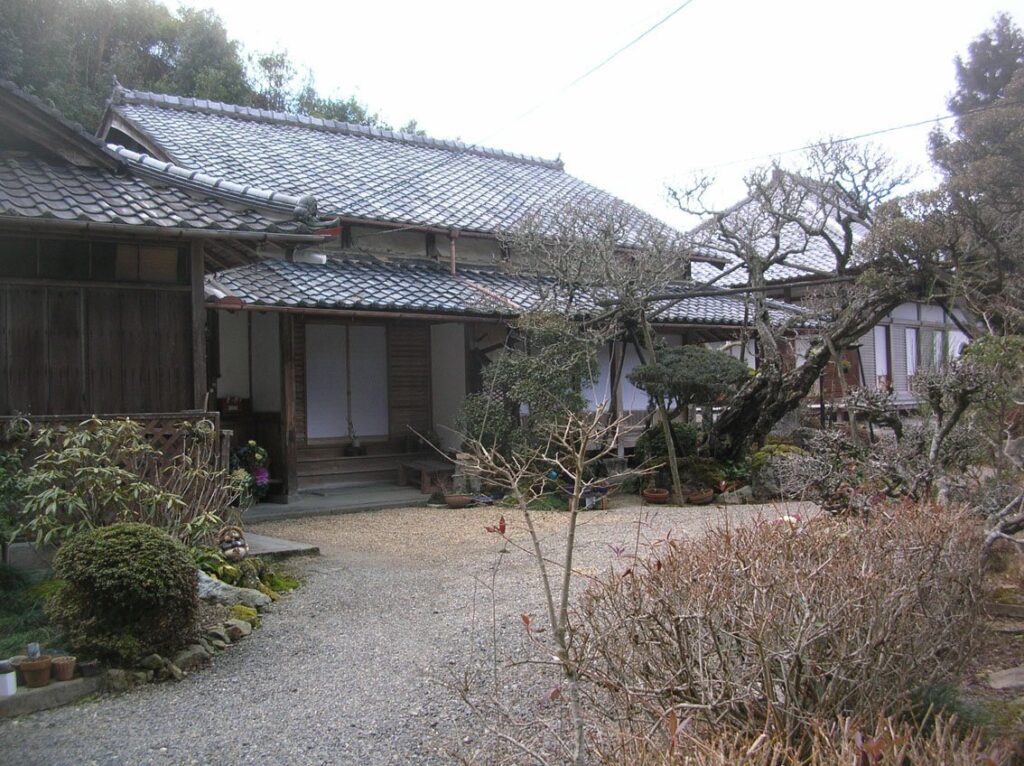
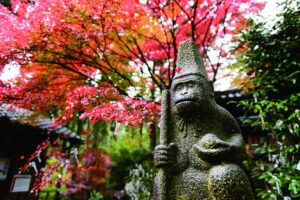
This notable temple is said to be where Tokugawa Ieyasu stopped during his “Iga Crossing.” It is a temple of the Koyasan Shingon sect located at the foot of Mt. Washimine, a sacred site for mountain asceticism also known as “Northern Mt. Omine.” It was rebuilt in the first year of the Genki era (1570). It is said that Tokugawa Ieyasu rested at this temple during his “Escape to Iga,” and the “Stone Where Ieyasu Sat” still remains there. The stone pagoda “Muhō-tō,” located at the entrance to the temple grounds’ cemetery, is believed to date from the Kamakura period and is designated as a municipal cultural property. Visitors can enjoy flowers in every season, including a Kōya-maki (Kōya boxwood) said to be over 600 years old. The red plum tree, said to be 500 years old, is called the “Flying Dragon Red Plum” because its form resembles a dancing dragon. It blooms with delicate flowers from mid-March to early April, heralding the arrival of spring deep in the mountains of the Uji tea-growing region.
This temple has garnered attention as the place where Tokugawa Ieyasu is said to have stopped during his “Iga Crossing.” It is a temple of the Koyasan Shingon School located at the foot of Mt. Washimine, a sacred site for mountain asceticism also known as “Northern Ōmine.” Tracing its origins to “Mt. Minegaku Kōgakuji,” it was reestablished in the first year of the Genki era (1570). It is said that Tokugawa Ieyasu rested at this temple during his “Iga Crossing,” and the “Stone Where Ieyasu Sat” still remains there. The stone pagoda “Muhō-tō,” located at the entrance to the temple grounds’ cemetery, is believed to date from the Kamakura period and is designated as a municipal cultural property. Visitors can enjoy seasonal flowers, including a Koyama-maki tree said to be over 600 years old. The red plum tree, said to be 500 years old, is known as the “Flying Dragon Red Plum” because its form resembles a dancing dragon. It blooms with delicate flowers from mid-March to early April, heralding the arrival of spring deep in the mountains of the Uji tea-growing region.
Reservations & Registration
- How to Register
No registration required
Basic Information
- Season
- Year-round
- Closed Days & Excluded Dates
- None (Open year-round)
- Meeting Time & Hours of Operation
- 9:00~16:30
- Duration
- About 1 hour
- Group Size
- Minimum 1 people
- Language Support
- Staff: Japanese
- Accessibility
- Not allowed
Pricing
- List Price
- Free
Access & Meeting Place
Operator Information
- Address
- 17 Okuyamada-dani, Ujitawara-cho, Kyoto Prefecture
- Phone Number
- 0774-88-3521
- Official Website
- https://henjoin.org/
Area & City/Town Introduction (Ujitawara Town)
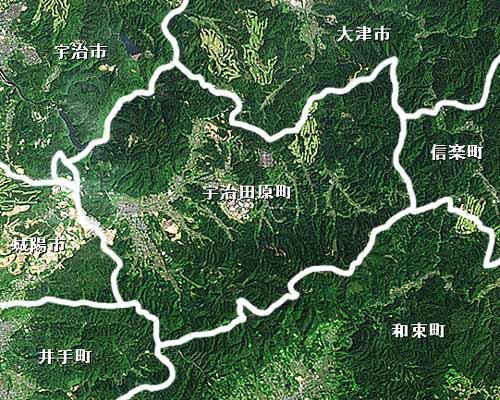
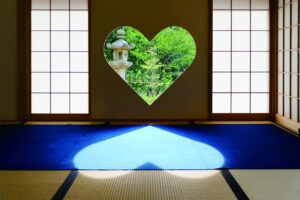
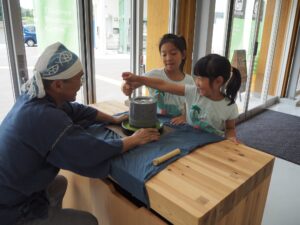
Located in the southeastern part of Kyoto Prefecture, “Ujitawara Town” is a heart-shaped town rich in natural beauty. Known as the birthplace of green tea, it boasts a long history as a producer of high-quality tea. The town is filled with beautiful scenery that changes with the seasons, and its historic temples and shrines, along with its traditional culture, are very much alive. In this town, nurtured by abundant nature, history, and tea culture, you can spend a relaxing and peaceful moment—much like a cup of tea served to welcome a guest.