
Motoisekago Shrine
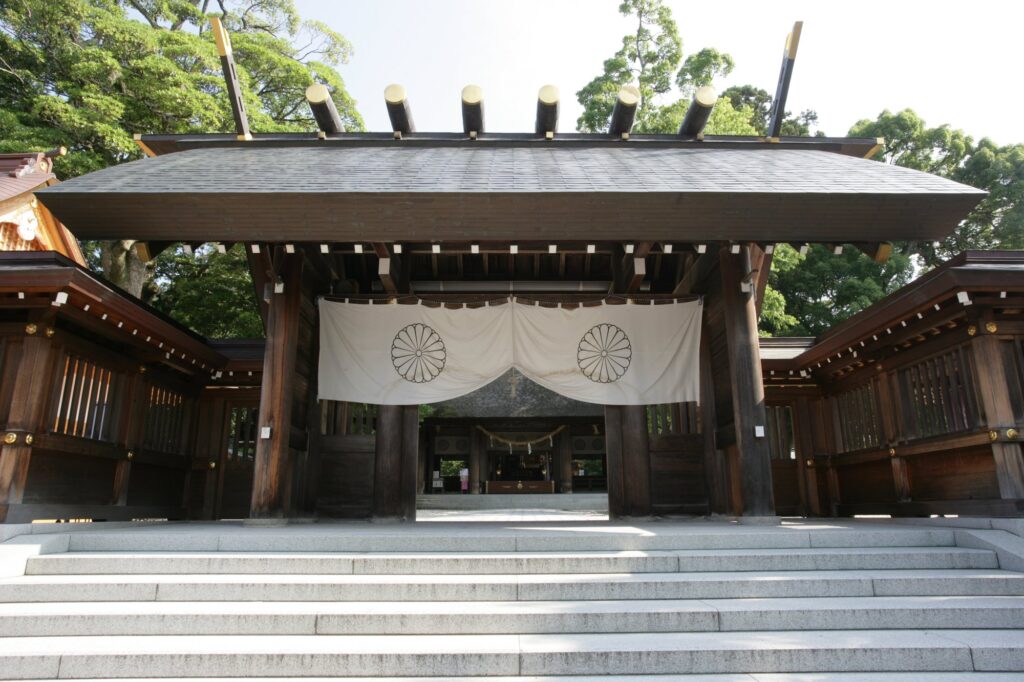
This ancient shrine is known as “Moto-Ise” because, according to legend, the deities Amaterasu Ōmikami and Toyouke Ōmikami, who are enshrined at Ise Grand Shrine, were originally enshrined here before being relocated to Ise.
It became the Ichinomiya (primary shrine) of Tango Province during the Nara period, and is listed in the Heian-period *Engishiki* as the only Myōjin Taisha (Grand Shrine of the Myōjin Class) in the San’in region, boasting the highest shrine rank and a distinguished history.
This ancient shrine is known as “Moto-Ise” because of the legend that Amaterasu Ōmikami and Toyouke Ōmikami, enshrined at Ise Grand Shrine, were originally enshrined here before being relocated to Ise.
It became the Ichinomiya (principal shrine) of Tango Province during the Nara period, and is listed in the Heian-period *Engishiki* as the only Myōjin Taisha (Grand Shrine of the Myōjin Class) in the San’in region, boasting the highest shrine rank and a distinguished history.
Basic Information
- Season
- Year-round
- Closed Days & Excluded Dates
- None (Open year-round)
- Meeting Time & Hours of Operation
- February–November: 8:00 a.m.–5:00 p.m.
December–January: 8:00 a.m.–4:30 p.m.
*Hours may be extended on weekends, holidays, and other days. - Duration
- About 30 minutes
- Language Support
- Staff: Japanese(For foreign languages, we use translation apps on our smartphones.)
- Accessibility
- Yes
Pricing
- List Price
- Free
Access & Meeting Place
- Parking Information
- 25 large buses and 150 passenger cars
Operator Information
- Address
- 430 Ogaki, Miyazu City, Kyoto Prefecture
- Phone Number
- 0772-27-0006
- Official Website
- https://www.motoise.jp/
Area & City/Town Introduction (Miyazu City)
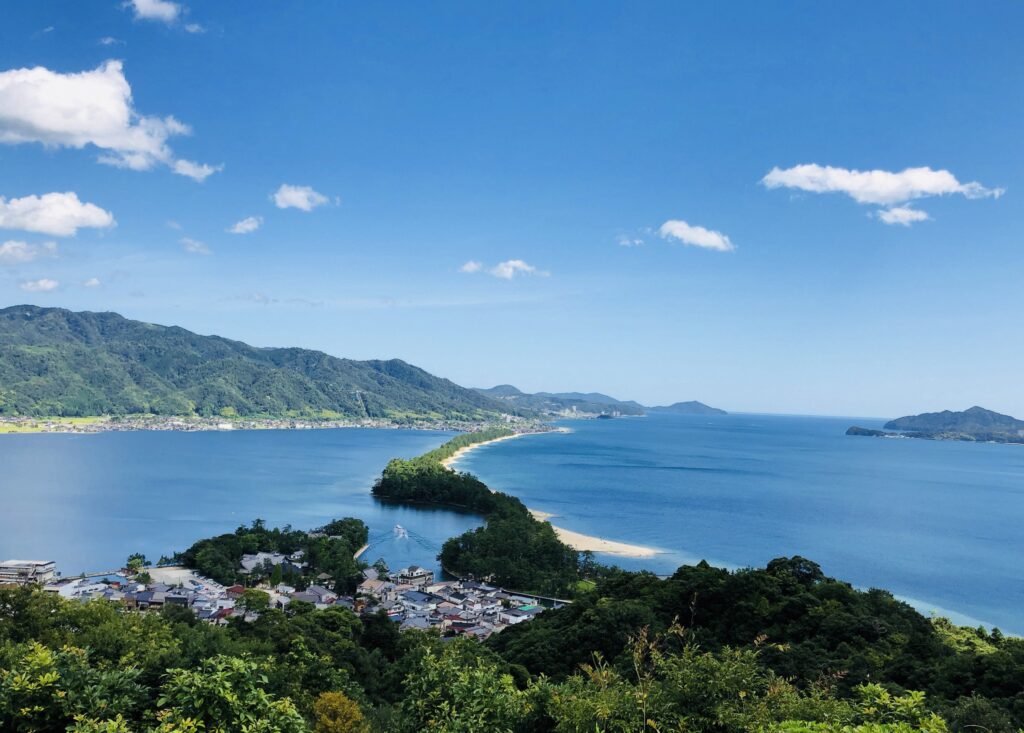
Miyazu City, Kyoto Prefecture, is a town rich in natural beauty located in the northern part of Kyoto Prefecture, facing the Sea of Japan. Home to “Amanohashidate”—one of Japan’s Three Great Views—the area boasts a beautiful coastline and lush, green mountains, offering breathtaking scenery throughout the four seasons. Another major attraction is its rich culinary culture, featuring dishes made with fresh seafood and ingredients from the Tango region. The area also boasts numerous temples, shrines, and historic streetscapes brimming with history and culture, making it an ideal destination for sightseeing and relaxing getaways. As the heart of “Marine Kyoto,” it continues to captivate visitors from far and wide.
Related Sightseeing & Activities
-
 [Recommended for Families, Free Seagull Snacks] Ine Bay Amanohashidate Day Trip: Ine Bay Cruise + Amanohashidate Cable Car + Chionji Temple + Revolving Bridge (Departure from Osaka/Kyoto) [Ine Town・Miyazu City]
-
 Chion-ji Temple [Miyazu City]
-
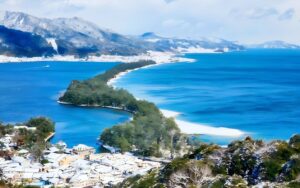 Slow Travel in Kyoto by the Sea: Amanohashidate and Ine no Funaya [Ine Town・Miyazu City]
-
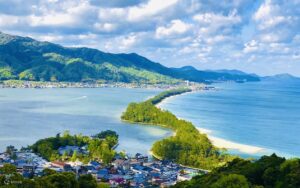 [Osaka or Kyoto Departure] Amanohashidate & Ine Boathouses & Ine Bay & Chion-ji Temple & Amanohashidate Abalone Set Meal Day Trip [Ine Town・Miyazu City]